By Paul Perry, featuring Hunter
Two friends, two separate conversations, one life-changing suggestion: “You have to go to Argentina.” For Hunter, a 22-year-old American content creator and sales professional, that advice from an Argentine friend in La Plata and another who’d done an exchange there was enough to book a flight. Now he’s navigating the leap from a 90-day tourist stamp to long-term residency — and his story is exactly what so many young remote workers are trying to figure out in 2026.
The full conversation is on the podcast. Here is what that journey typically looks like in 2026, and why Buenos Aires keeps pulling in talented twenty-somethings.
Who Is Hunter?
Hunter runs his own agency and builds personal-brand content — the kind of location-independent work that makes a move to South America possible. He first touched down in Argentina after those two friends independently planted the seed, and he’s been untangling the visa, lifestyle, and travel realities ever since. The specifics of his path — which visa he started with, how he handled the paperwork, what surprised him most — will be covered in the full episode breakdown.
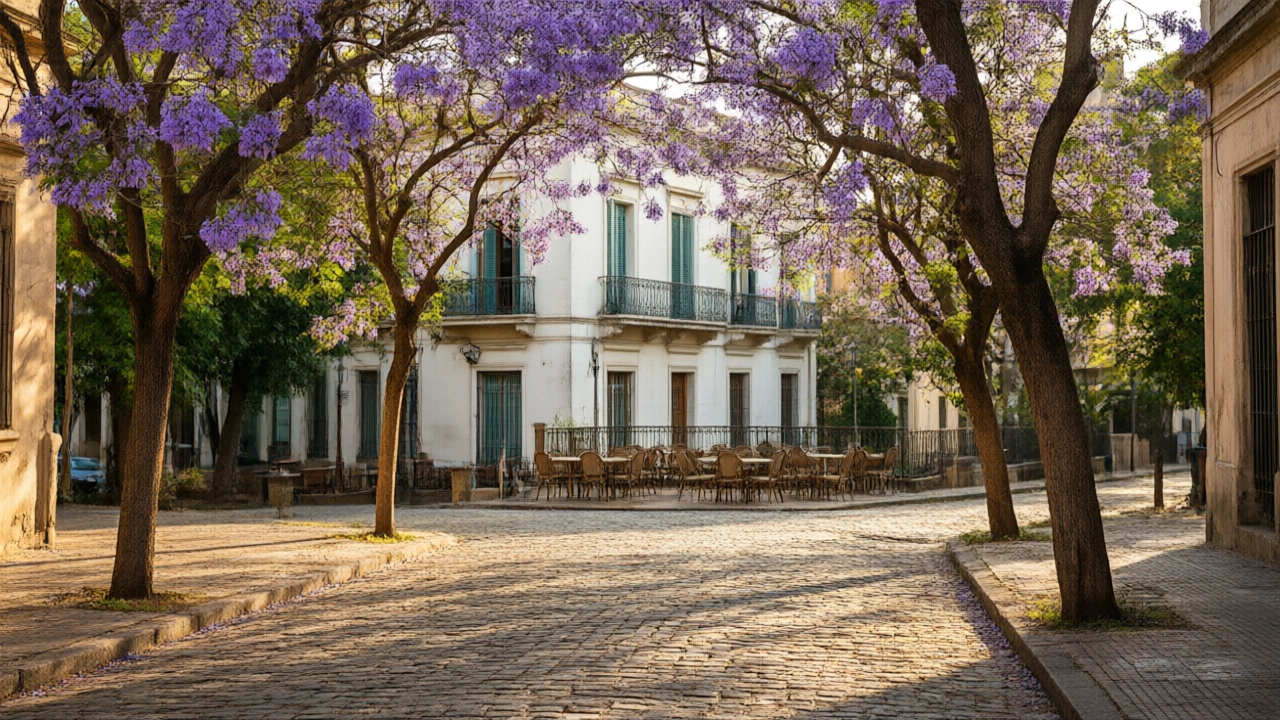
The Tourist Visa to Residency Pipeline (2026 Reality)
Most young expats arrive on a 90-day tourist visa, which can be extended once for another 90 days at migraciones. After that, you need a plan. The two most common routes for remote workers are:
- Rentista (Rentier) Visa: Requires proof of a stable foreign income — typically around US$2,000 per month — that originates outside Argentina. You’ll need an apostilled FBI background check and a local criminal record certificate (certificado de antecedentes penales).
- Digital Nomad Visa: Launched in 2022 and still evolving under the Milei administration, this is designed specifically for remote workers employed by or contracting with foreign companies. Income requirements are similar, but the paperwork is often lighter. Read our full 2026 Digital Nomad Visa guide here.
Both paths lead to temporary residency, which can eventually convert to permanent residency and citizenship after two years of uninterrupted legal residence. As of August 2026, always confirm current requirements at migraciones.gob.ar — rules shift without much warning.
Why Buenos Aires Keeps Winning Over Young Remote Workers
Hunter’s story isn’t unique. The city has a gravitational pull for a few hard-to-replicate reasons:
- Cost-to-lifestyle ratio: Even with inflation, a US-dollar income stretches far. A nice apartment in Palermo or Recoleta, weekly parrilla dinners, and a coworking membership can run under US$1,500 a month total.
- Time zone alignment: Buenos Aires is only one hour ahead of US Eastern Time, so you’re not working through the night to sync with clients.
- Social velocity: Porteños stay out late, talk to strangers, and build friendships fast. The expat community is dense and welcoming, but you can also integrate deeply if you learn the language.
- Travel hub: From Buenos Aires, you can weekend in Patagonia, Mendoza wine country, or Iguazú Falls without burning a vacation day.
Of course, there are real tradeoffs: inflation stress, byzantine bureaucracy, noise, and the “mañana” pace that can drive efficiency-minded Americans up the wall. The full episode covers Hunter’s take on these pain points. In the meantime, our 2026 guide to daily life under the reforms covers the ground-level reality.
What to Expect from the Full Episode
The full episode dives into:
- Hunter’s step-by-step visa timeline — from first entry to residency card in hand
- Honest quality-of-life comparisons: what he misses from the US vs. what he’d never trade
- His travel recommendations across Argentina for a new expat with limited Spanish
- Cost breakdowns and the blue dollar strategies he actually uses
Until then, the podcast episode itself is your best source.
FAQ: Young Remote Workers Thinking About Buenos Aires
Can I really move to Buenos Aires with just a tourist visa and figure it out later?
Technically yes, but it’s risky. Many people arrive on a 90-day tourist visa, extend once, and then apply for residency from within Argentina. However, overstaying can lead to fines and complications. The smarter move is to start the residency application before your initial 180 days run out. Consult an immigration lawyer or use the official migraciones portal to check current rules.
How much money do I need to live comfortably as a single remote worker in Buenos Aires?
As of August 2026, a budget of US$1,200–$1,800 per month covers a furnished apartment in a popular barrio, groceries, dining out, transport, and a coworking space. Your biggest variable is rent — temporary furnished leases cost more than long-term unfurnished ones. Always check the blue dollar rate on dolarhoy.com before converting; the official rate gives you far fewer pesos.
Do I need to speak Spanish to make the move work?
You can survive in expat-heavy neighborhoods with English alone, but you’ll miss out on most of what makes the city great. Basic Spanish unlocks better rental deals, smoother bureaucracy, and genuine friendships outside the expat bubble. Start learning before you arrive.
What’s the biggest mistake young expats make in their first six months?
Underestimating inflation and not securing a reliable way to access cash at the blue dollar rate. If you rely on foreign cards that convert at the official rate, you’ll lose 40–50% of your purchasing power. Bring US dollars, use Western Union, or open a local bank account once you have residency.
Disclaimer: This post is not legal or immigration advice. Visa rules, exchange rates, and prices change frequently. Always confirm current requirements with migraciones.gob.ar and consult a qualified professional before making decisions.