Moving to Buenos Aires is an adventure, but understanding its dynamic social and political landscape is key to thriving here. As of mid-2026, Argentina is undergoing significant reforms under President Milei’s government, impacting everything from your utility bills to how the city feels on a day-to-day basis. Don’t worry, though; living here is still an incredible experience – you just need to know what to expect.
What You Need to Know Right Now
Buenos Aires in mid-2026 is a city of contrasts: macroeconomic stability is improving, but daily life for many Argentinians is getting tougher due to subsidy cuts. Expats will notice ongoing protests, rising utility costs, and a healthcare system with both free public options and private alternatives. Stay informed about local news and always verify currency rates before you exchange money.
The Social and Political Climate: Protests, Reforms, and What to Expect
Buenos Aires is a passionate city, and its people aren’t shy about expressing their opinions. As an expat, you’ll likely encounter demonstrations, especially around government buildings like Congress.
As of June 2026, President Milei’s legislative agenda is actively moving through Congress, even as public attention is diverted by the World Cup. This includes a range of economic, regulatory, and political initiatives. For instance, the reform of the Glacier Protection Law recently passed, sparking significant protests from environmental groups. Similarly, a “Ley de Lobby” bill faces resistance from civil society and business chambers. You’ll also see disability organizations actively pushing for their demands regarding benefits and funding, a visible sign of ongoing social discussions.
Amanda, an expat living here, often observes weekly protests near Congress related to cuts in funding and rights for retired and disabled individuals. She notes that while signs of unrest, like burning garbage bins, are sometimes visible, she has never felt unsafe. This aligns with the experience of many expats: protests are a part of life in Buenos Aires, but they are typically contained and directed, not usually affecting daily tourist or expat activities in a dangerous way.
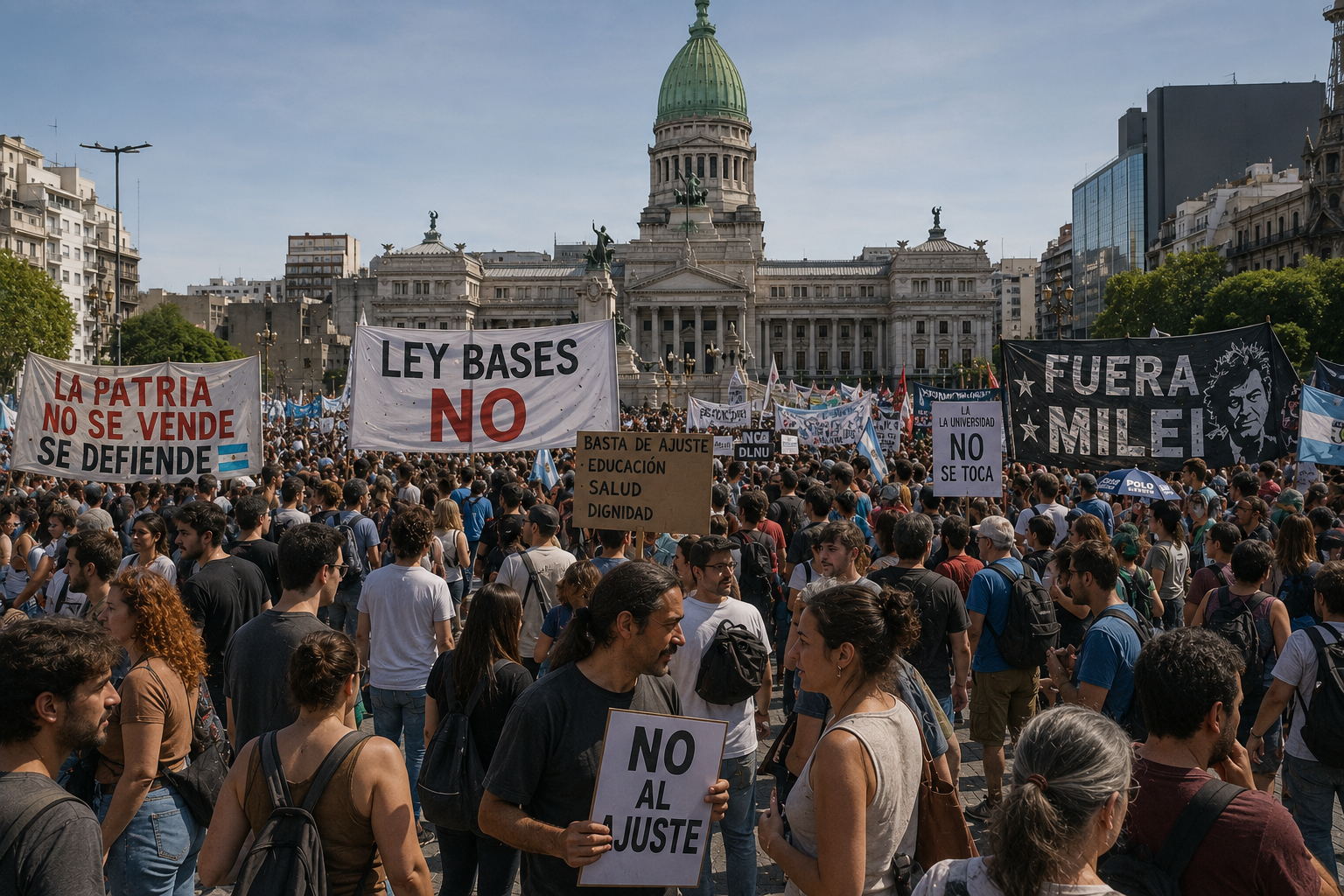
Plaza del Congreso in Buenos Aires, Argentina, with a demonstration in progress, highlighting the active social climate for expats in 2026.
Keep an eye on news about the CGT (General Confederation of Labor), Argentina’s major labor union. As of June 25, 2026, they are considering a new general strike and national mobilization against the government, potentially after the World Cup. This could impact public transport or services, so staying informed is wise.
How to Stay Informed About Protests:
-
Follow reputable local news sources (e.g., Buenos Aires Times, Pagina 12, La Nación).
-
Familiarize yourself with common protest areas like the Plaza del Congreso and Plaza de Mayo, and avoid them during announced demonstrations.
-
Use public transportation in Buenos Aires like the Subte (subway) to get a real feel for the city – you’ll often encounter performers and vendors, making it “never a dull moment,” as one expat described.
Cost of Living & Utilities: The Dual Reality of Reform
Argentina’s economy is a tale of two cities, especially when it comes to the impact of recent government reforms. The IMF states that Argentina has made “important progress” in restoring macroeconomic stability, with strengthening growth and declining inflation. S&P Global Ratings even raised Argentina’s sovereign credit ratings to ‘B-/B’ on June 10, 2026, citing improving access to external funding.
Economically, Argentina’s GDP grew 0.7% quarter-on-quarter in Q1 2026 and 2.3% year-on-year (as published June 24, 2026), driven by private consumption, agriculture, mining, and exports. However, investment fell sharply by 11.6% year-on-year in the same quarter.
Argentina’s Q1 2026 Economic Performance
What does this mean for your daily life? Utilities like electricity and gas have become noticeably more expensive due to cuts in government subsidies. For someone earning in Argentine pesos, these price hikes are becoming unaffordable. However, for expats earning in dollars, these costs, while higher than before, still often seem relatively low compared to home countries. This creates a significant dual reality: what feels manageable for you might be a real struggle for your Argentine neighbors.
Practical Advice for Managing Utility Costs:
-
Budget Accordingly: While still often cheaper than home, don’t assume utilities are negligible. Factor them into your monthly budget.
-
Be Mindful: Turn off lights, adjust your AC/heater settings. Every little bit helps, and it shows respect for the local economic situation.
-
Understand Your Bill: Bills can be confusing. Ask a local friend or landlord to help you understand the charges if you’re unsure.
Healthcare for Expats: Options, Expectations, and Childbirth
Healthcare is another area undergoing legislative attention, with the Milei government’s plans including a new mental health law. For expats, Buenos Aires offers a mix of public and private healthcare options.
Public Hospitals: These offer free services, including childbirth, which can be a huge cost-saver compared to systems like the US. However, be aware that public facilities might have older equipment and generally offer less privacy. For complex procedures, pain management options like epidurals might be less available unless for surgery.
Private Clinics: If privacy and potentially more modern facilities are a priority, private clinics are a good option. Many expats opt for expat healthcare options or private health insurance (prepaga) to access these. Basic insurance plans often cover a good range of services, making childbirth in a private clinic a manageable experience. An expat shared their positive experience giving birth in a provincial clinic with basic insurance coverage.
Cultural Nuances in Childbirth: Some expats have noted what might be a cultural preference or push for C-sections among some medical professionals in Argentina, which could differ from expectations for natural birth. It’s important to discuss your birth plan thoroughly with your doctor and be clear about your preferences. While facilities might be older in some places, the medical care is generally competent.
Economic Indicators & Exchange Rates: The Dólar Blue and Beyond
Understanding Argentina’s currency exchange is crucial for managing your finances. The good news is that as of June 26, 2026, the gap (known as the brecha) between the official and informal “dólar blue” rates is relatively reduced compared to past periods of high volatility.
Current Exchange Rates (as of June 26, 2026):
-
Official Dollar: This is the rate you’d get at a bank or for official transactions. As of June 26, 2026, it was approximately $1440 (buy) and $1490 (sell) to the USD. Check official bank sites for live rates.
-
Dólar Blue (Informal Market): This is the parallel market rate, often offering a better exchange for foreigners. On June 26, 2026, sources reported it ranging from approximately $1485 (buy) to $1510 (buy) and $1505 (sell) to $1530 (sell) per USD. Rates can vary slightly by source and even by hour, so always compare.
-
Dólar Tarjeta (Card Dollar): This is the rate applied to foreign purchases made with bank cards. It’s typically the most expensive rate. As of June 26, 2026, it was around $1943.50 per USD.
Buenos Aires Dollar Exchange Rates (June 26, 2026)
Always Verify: Exchange rates, especially the dólar blue, change fast. Before exchanging any significant amount of money, always check live trackers like dolarhoy.com, Ámbito Financiero, or La Nación to get the most up-to-date figures. Never exchange large sums on the street with unknown individuals; use trusted cuevas (informal exchange houses) recommended by other expats or trusted locals. For a deeper dive, read our guide on understanding the Dólar Blue.
Navigating Cultural Nuances
Argentinians, especially porteños (people from Buenos Aires), are often described as emotional, passionate, and direct. This can be refreshing for some expats, but also intense for others. Be prepared for lively discussions, a slower pace for bureaucracy (the famous “mañana” mentality), and a city that, while beautiful with its European architecture, also shows signs of its past economic crises. Embracing these facets of life here will make your experience richer. To decide where to live, check out our guide on the best barrios for expats.
Disclaimer
Exchange rates and prices (especially utilities) in Argentina change rapidly; always verify before acting. This information is not legal, immigration, or medical advice — confirm specific rules and medical procedures with official authorities (e.g., migraciones.gob.ar, specific medical providers). The economic and political situations are dynamic in Argentina; stay informed via local news.
Practical Next Steps
-
Get Local News: Bookmark reputable Argentine news sites to follow political developments and protest announcements.
-
Plan Your Finances: Understand how the Dólar Blue works and have a strategy for exchanging money safely.
-
Consider Healthcare: Research private insurance options if the public system’s limitations don’t suit your needs, especially if you’re planning a family.
-
Connect with Expats: Join expat groups online or in person to get real-time advice and recommendations.
FAQ: Living in Buenos Aires in 2026
Are protests in Buenos Aires dangerous for expats?
While protests are common, particularly near Congress, they are generally contained and not typically dangerous for expats. It’s wise to avoid known protest areas during demonstrations, but many expats, like Amanda, report feeling safe even when observing them.
How much have utilities increased for expats?
Utility prices (electricity, gas) have become more expensive due to subsidy cuts by the government. While they might still appear relatively low compared to Western countries for dollar-earning expats, the increase is significant and makes them unaffordable for many Argentinians earning in pesos.
What’s the best way to get a good exchange rate in Buenos Aires in 2026?
As of June 26, 2026, the “dólar blue” (informal market rate) offers a significantly better rate than the official bank rate for exchanging USD cash. The “dólar tarjeta” (card dollar) is the most expensive. Always check live rates on sites like dolarhoy.com and use trusted informal exchange houses (cuevas) or friends’ recommendations.
Can expats use public hospitals in Argentina for free?
Yes, public hospitals in Argentina generally offer free services, including childbirth, to everyone, regardless of nationality. However, facilities might be older, and privacy can be limited compared to private clinics.
Is it safe to use public transportation like the Subte?
Yes, public transportation in Buenos Aires, including the Subte (subway) and colectivos (buses), is generally safe and a great way to experience the city. It’s often lively with performers and vendors.